Anchors away in Duston!
A forgemaster and ironmaster's story
John Dale of Duston History Society tells of an unusual discovery in a Duston churchyard...
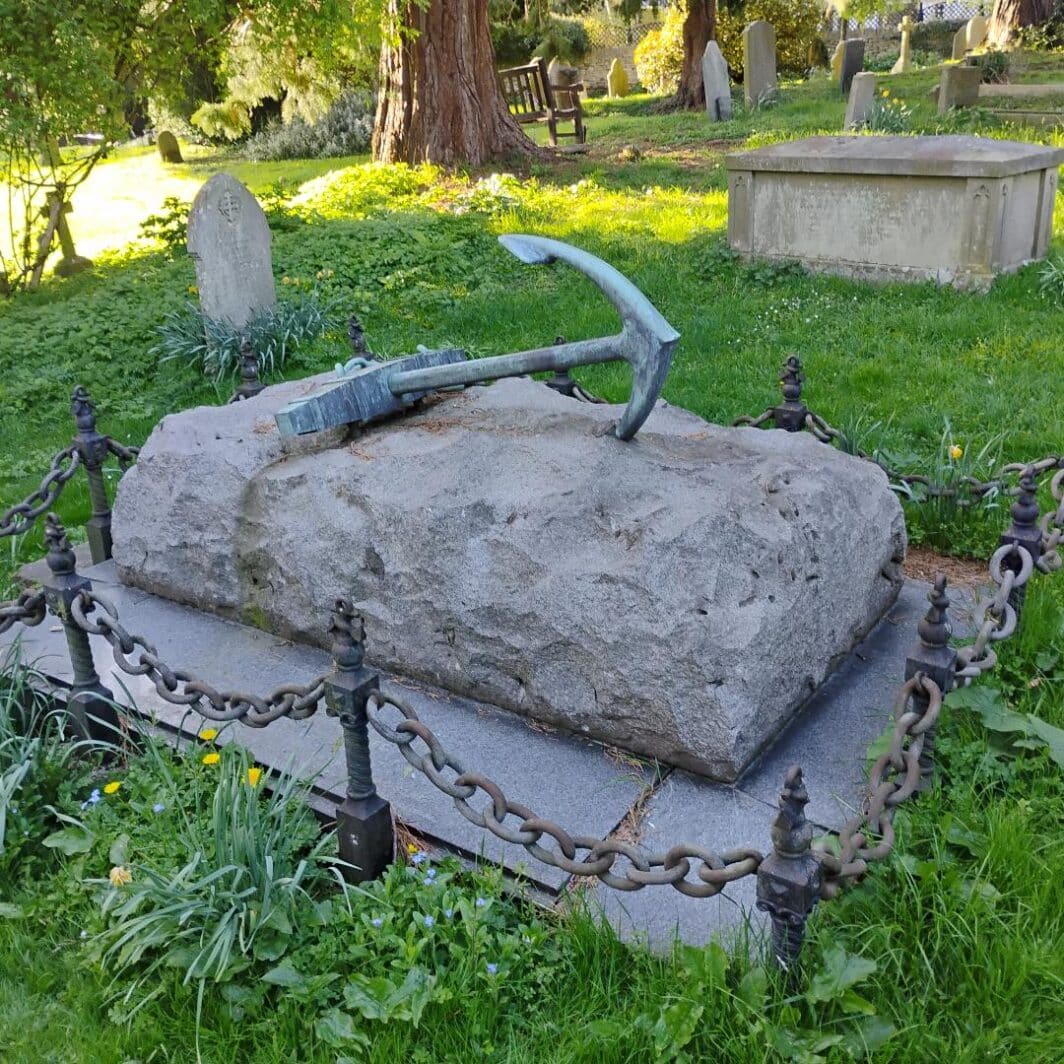
When I came to look around the churchyard of St. Luke’s Church in Duston I noticed a number of different graves. One was for William Butlin (c1824 – 1897).
When I first saw it I thought of Billy Butlin who ran holiday camps around the coasts of Britain. But no, it is no relation.
William Butlin was a forgemaster and ironmaster.
He was educated in Guilsborough and started work for an engineering company in Liverpool before studying in Putney, becoming a civil engineer in 1848.
He then came to Northampton and started a forge in Weston Street, Northampton. Weston Street itself is long gone but the building is still there now entranced off Guildhall Road – The Vulcan Works.
It was here that William Butlin and his staff made steam ploughs, mobile engines, and agricultural equipment. He even exhibited in the Great Exhibition in London in the year 1851.
In the Exhibition he exhibited steam engines and agricultural equipment. He also had Northamptonshire ironstone from Duston quarries there, as he was the first to demonstrate the commercial viability of smelting this for iron working.
He was the first to do this in Northamptonshire and you can see his first smelted Iron Ore in the museum in the Guildhall Road, a few yards up the road from The Vulcan Works.
Later he went on to build another forge in Wellingborough, East End Iron works in 1862, a much larger facility, and the Irthlingborough works in 1866. He also made the first leather splitting machine and could be said to be one of the fathers of mechanised farming.
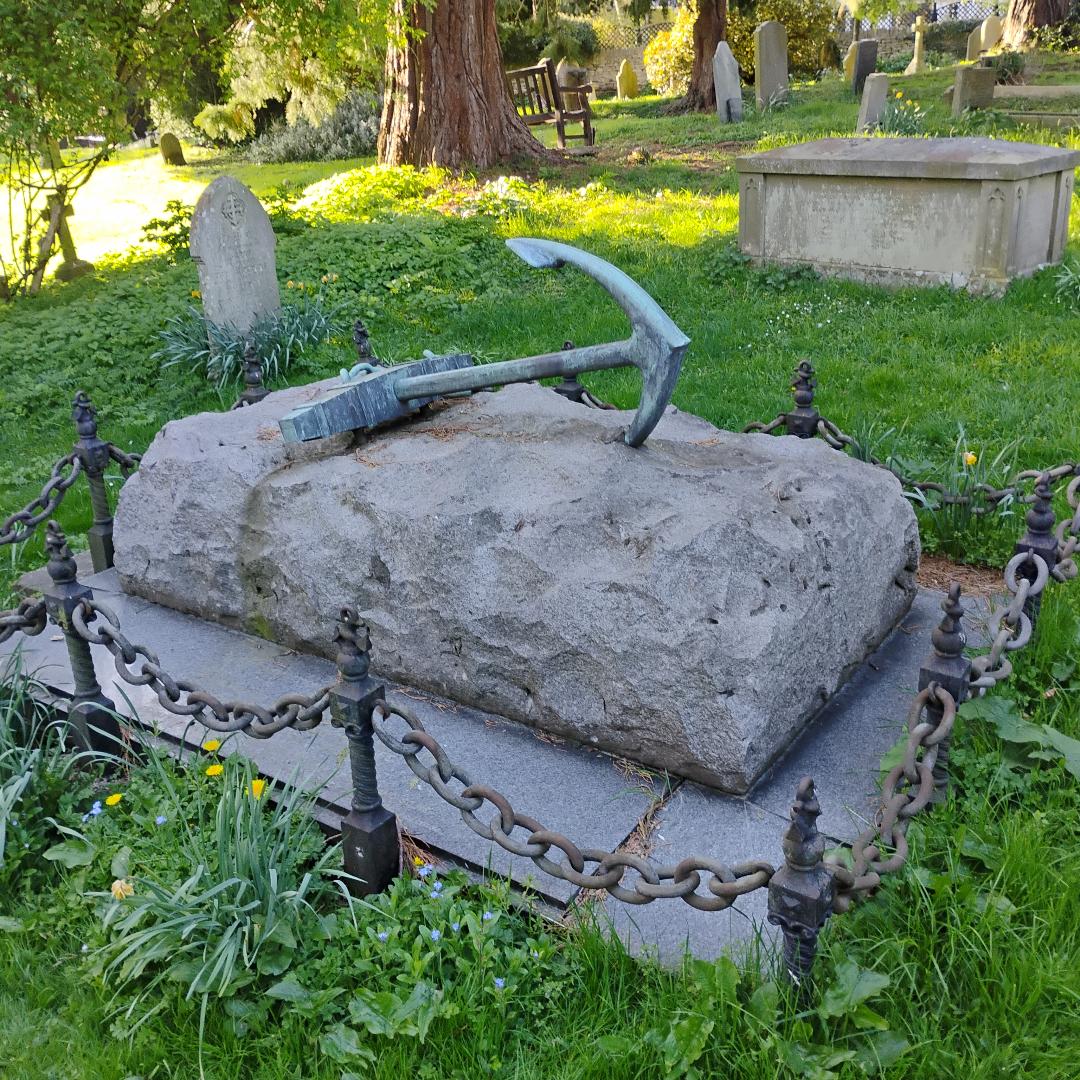
He Lived in Duston House that is on Main Road in Duston and was very interesting in boating, keeping a boat in Eastbourne where he died. He is buried in St Luke’s churchyard, in a very distinctive grave with a large iron anchor on the top of it.


