Discover the Story Behind Catanger Llamas
To celebrate English Tourism Week, member of the Discover Northamptonshire Team, Evie, has been catching up with some of Northamptonshire’s most loved destinations!
In this blog, she’s been speaking with Sarah from Catanger Llamas and discussing what’s new, what’s coming, and what makes this place so special.
Evie: Let’s start with the roots of Catanger. Where did it all begin?
Sarah: Catanger is actually the name of our land — it’s a Saxon word that means “where wild cats roam.” Back in medieval times this whole area would’ve been pretty wild and untouched, the sort of place wild cats would’ve loved.
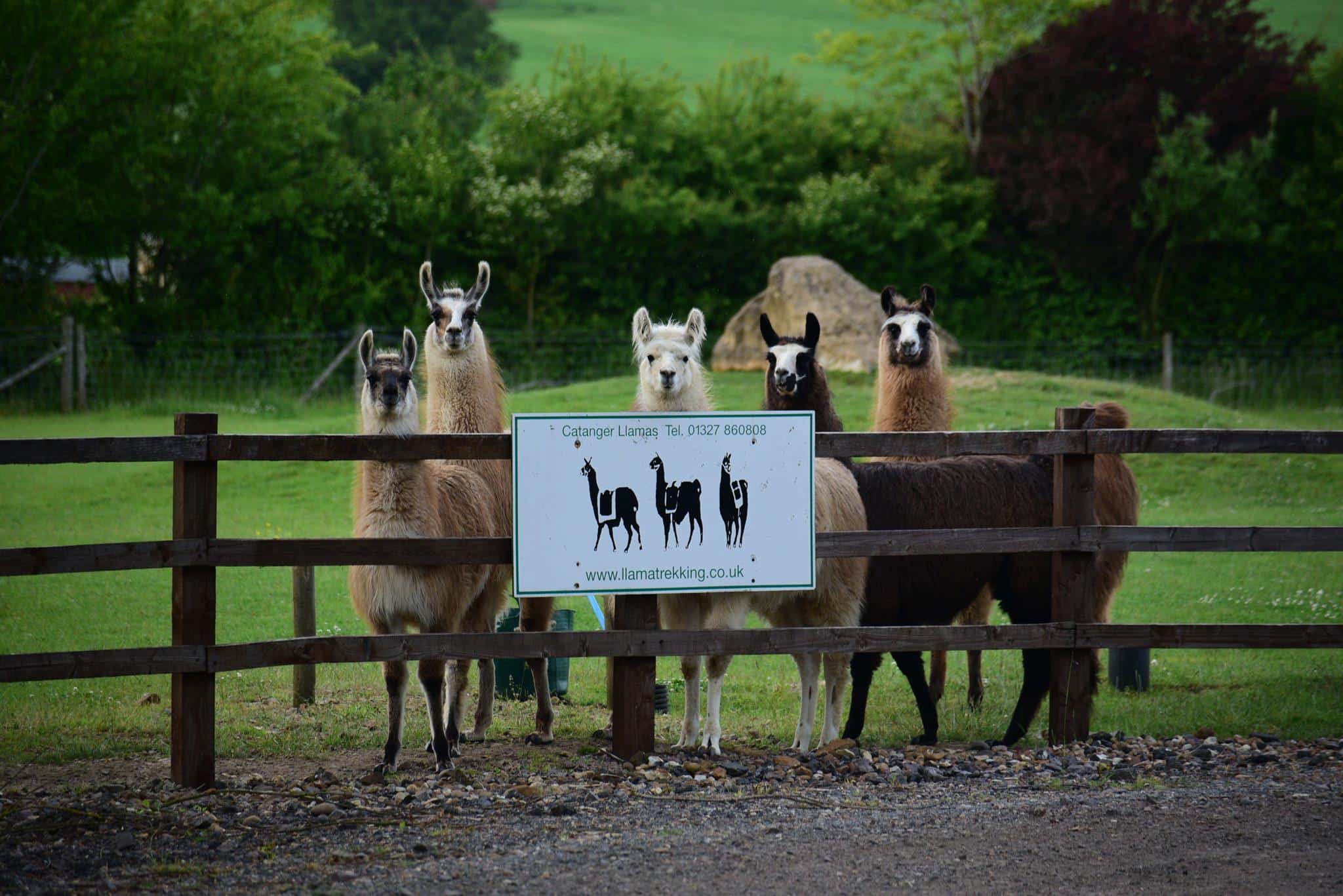
When David and Mary Pryse bought the 38 acres in 1992, it was all arable farmland. Bit by bit, they turned it into something completely different. Between 1993 and 1998 they planted 20 acres of native woodland, with little paths and rides running through it, and the rest slowly became pasture for animals. They started with Highland cattle, then Angora goats… and then along came Henry, the guard llama who changed everything.
Evie: Henry must have left quite the impression!
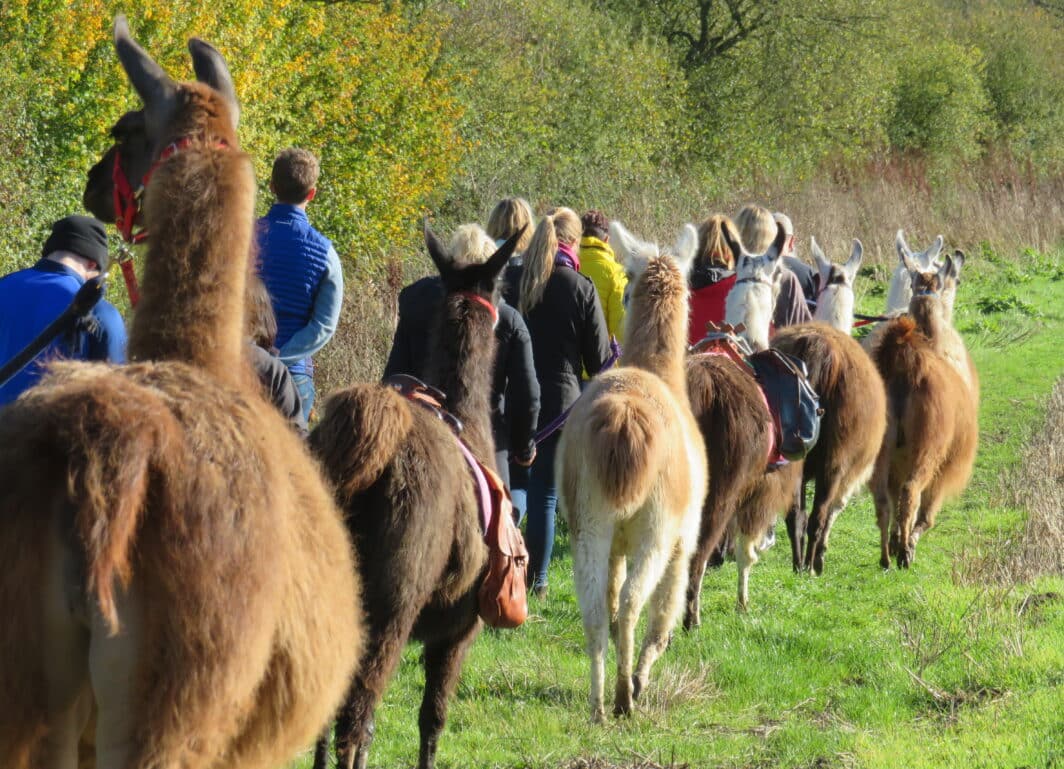
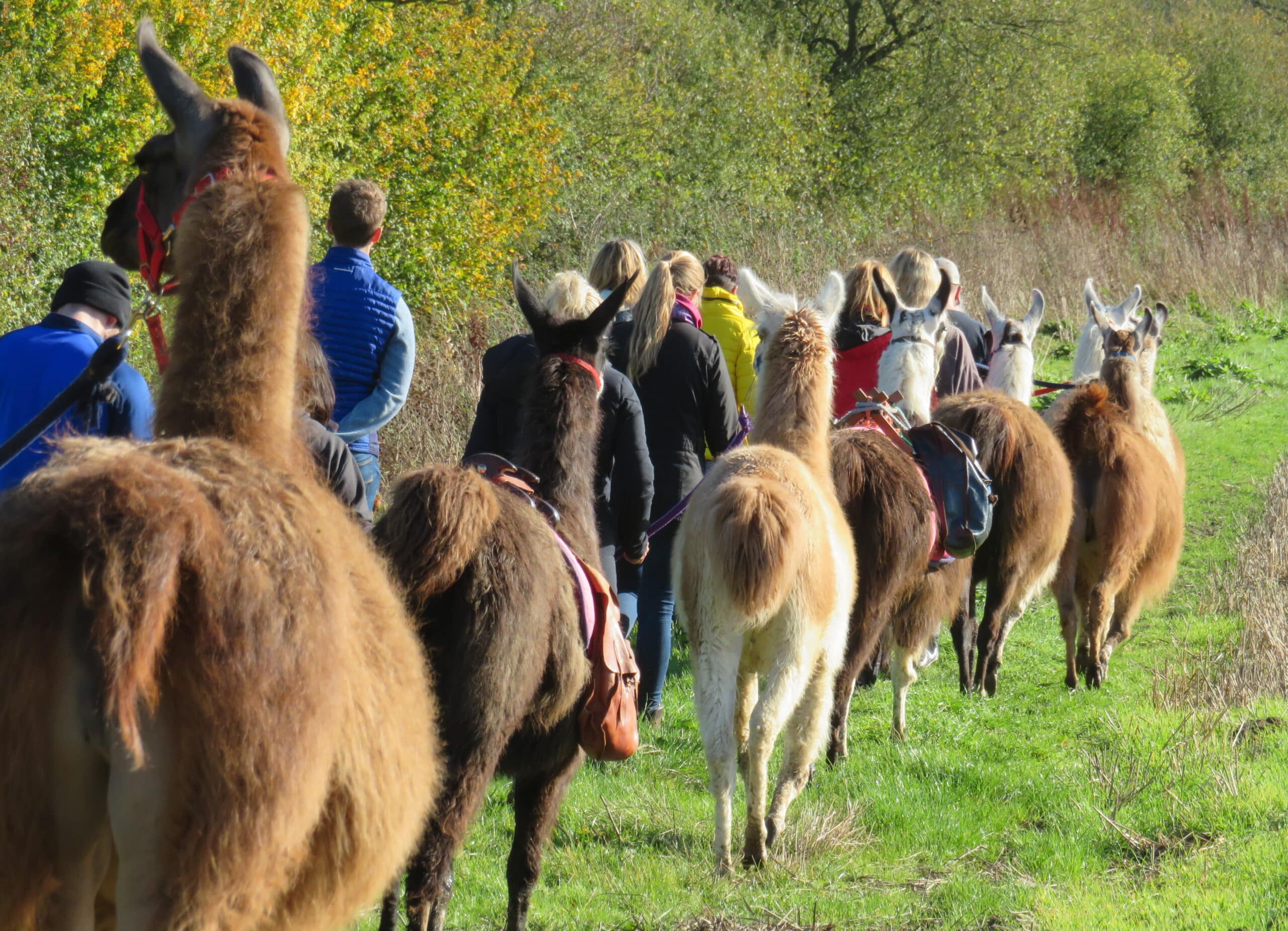
Sarah: Henry completely won them over. Within six months they knew they needed more llamas, and before long they were breeding them. By 1998 they were out trekking with Henry, Hector, George and Crofter — their first home‑bred boy. Mary led treks for the next 15 years, and along the way they built a lovely visitor centre.
Evie: And then you joined the story — almost by chance?
Sarah: It really did feel like fate. In 2013, I was moving back to Northamptonshire after working as a pig farmer in West Sussex. I emailed Mary on the off chance she might need help. As it happened, she’d just started thinking about semi‑retiring. We met, I fell completely in love with the llamas, and that was that.
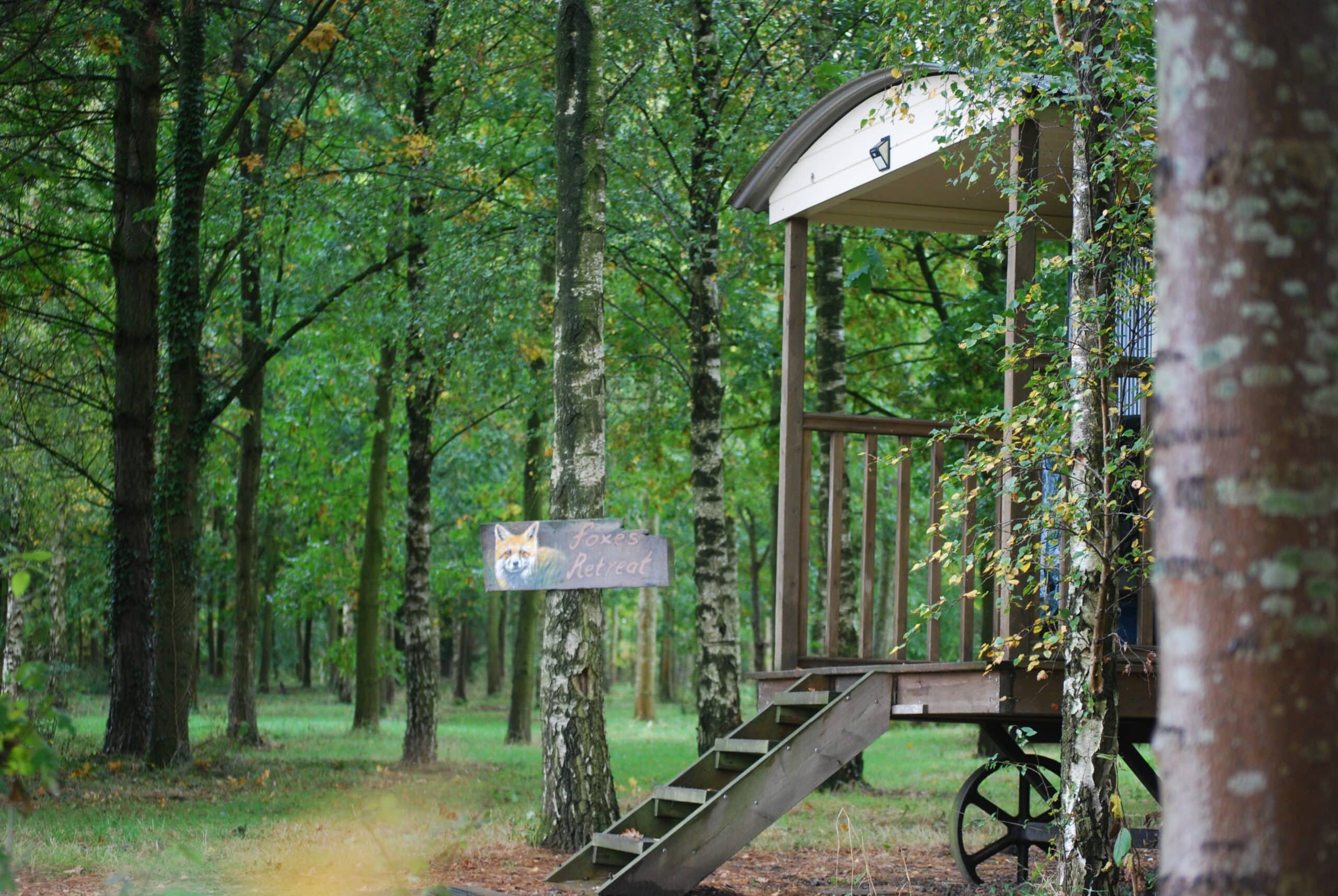
I worked part‑time for a year before taking over the trekking business in 2014. Since then, visitor numbers have doubled, and we’ve brought Catanger into the 21st century with social media and a stronger online presence. Mary and I still work closely together on breeding and training — it’s a shared passion, and we pour everything into making sure every visitor has a memorable experience. These days, guests can even stay on the farm in our quirky on‑site accommodation — the gypsy caravan Hares View and the shepherd’s hut Foxes Retreat — perfect for soaking up the peace and spending time with our camelid neighbours.
Evie: Catanger clearly holds a lot of emotion and history.
Sarah: It does. When David passed away in 2017, his last days were spent watching the llamas and their babies from his bed. He was so proud of what Catanger had become. Not long after, six of our boys donated blood samples for Cancer Research — something that would have thrilled him.
Evie: Oh wow that’s lovely. Sounds like these are some pretty special llamas, actually…
Sarah: They really are. Over the years, they have taken us on some incredible adventures. They’ve appeared on live TV, in promotional shoots, and more recently on Netflix — including The Thursday Murder Club. And our lovely Barnaby will be appearing in a very well‑known Netflix series later this year. It’s amazing where a herd of llamas can take you!
Evie: That’s insane. And it doesn’t stop there! You’ve had some exciting recognition recently.
Sarah: We were completely overwhelmed to win Experience of the Year at the Northamptonshire Business Tourism Awards 2025. We pour our hearts and souls into what we do, and to be recognised locally was just amazing.
Evie: So… What’s next for Catanger Llamas?
Sarah: We’re always evolving and always listening to our guests. Their feedback shapes what we do — from improving the visitor experience to planning new ideas. And of course, there will be more llama adventures to come.
Evie: Catanger Llamas is such a special part of Northamptonshire’s tourism story — full of heart, history, and a whole lot of personality. Thank you so much for sharing your journey, Sarah.
Sarah: Thank you — we love what we do, and we can’t wait to welcome even more visitors to meet our wonderful llamas.
We would love to see any photos you take during a visit to Catanger Llamas! Tag us on social media and use #DiscoverNorthamptonshire – we may even repost your photo! Or, upload them here.


