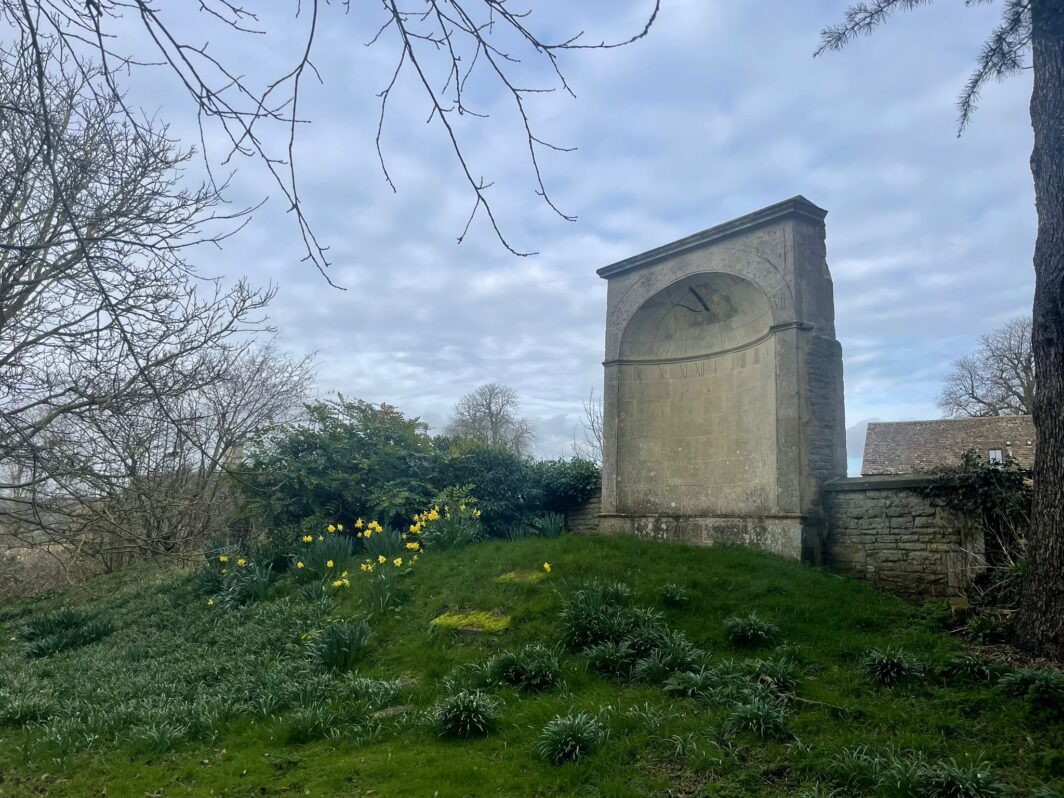
Discover the Story Behind the Collyweston Historical and Preservation Society
To celebrate English Tourism Week, member of the Discover Northamptonshire Team, Evie, has been catching up with some of Northamptonshire’s most loved destinations!
In this blog, she’s been speaking with Sandra from the Collyweston Historical and Preservation Society, and discussing how the society began, some of their milestones, and why people should consider Collyweston for a day out!
Evie: So, how did the Society begin, and what inspired its creation?
Sandra: The Society was founded in June 1989 by a group of enthusiastic residents who wanted to record and share the rich history of Collyweston. That passion for local heritage has stayed with us ever since. We meet four times a year — on the first Monday of March, June, September and December — in the Village Hall on High Street. Our AGM takes place in September.
Evie: You must all be really passionate about the local area, what makes Collyweston so unique?
Sandra: Collyweston has an incredibly deep and surprising history, and we’re committed to researching and sharing it with the wider community. We’re especially passionate about preserving knowledge of Collyweston Slate, which has been mined here since Roman times and is still visible on buildings across the region — and even internationally.
Evie: Wow! I hear you’ve also had some impressive milestones. What moments stand out?
Sandra: We’ve welcomed some wonderful historians and authors to speak at our meetings, including Nathan Amin, Tracey Borman, Simon Thurley, Dr Michael Jones, Dr Rachel Delman and Nicola Tallis. We’ve also organised two historical weekends featuring re‑enactments, demonstrations and conversations with experts.
Another highlight has been contributing to the Northamptonshire in 100 Objects exhibition. We currently have displays of traditional slating tools at Northampton Museum, Oundle Museum and even in our local pub, The Collyweston Slater.
Evie: Definitely sounds like something everyone needs to go and check out. What else can visitors look forward to in 2026?
Sandra: We’re very excited to be planning another Palace Weekend on Saturday 27th and Sunday 28th June. We’ll be presenting the results of our archaeological investigations into the Royal Palace that once stood here — the home of Lady Margaret Beaufort and visited by Henry VII, Henry VIII and Elizabeth I. We’re also inviting several British historians to speak at the event, so it’s shaping up to be a fantastic weekend.
Evie: That sounds like it's going to be an unmissable event, we look forward to promoting it over on the Discover Northamptonshire channels. I bet not many people are aware of the Royal Palace history?
Sandra: It's definitely something people are always surprised to learn about. It was a large Royal Palace, possibly similar in size to Hampton Court, and once stood in our village. Most visitors have no idea until they come on a tour or attend one of our talks!
Evie: It sounds remarkable and like somewhere I bet many people would have loved. Do you have a favourite spot in the village?
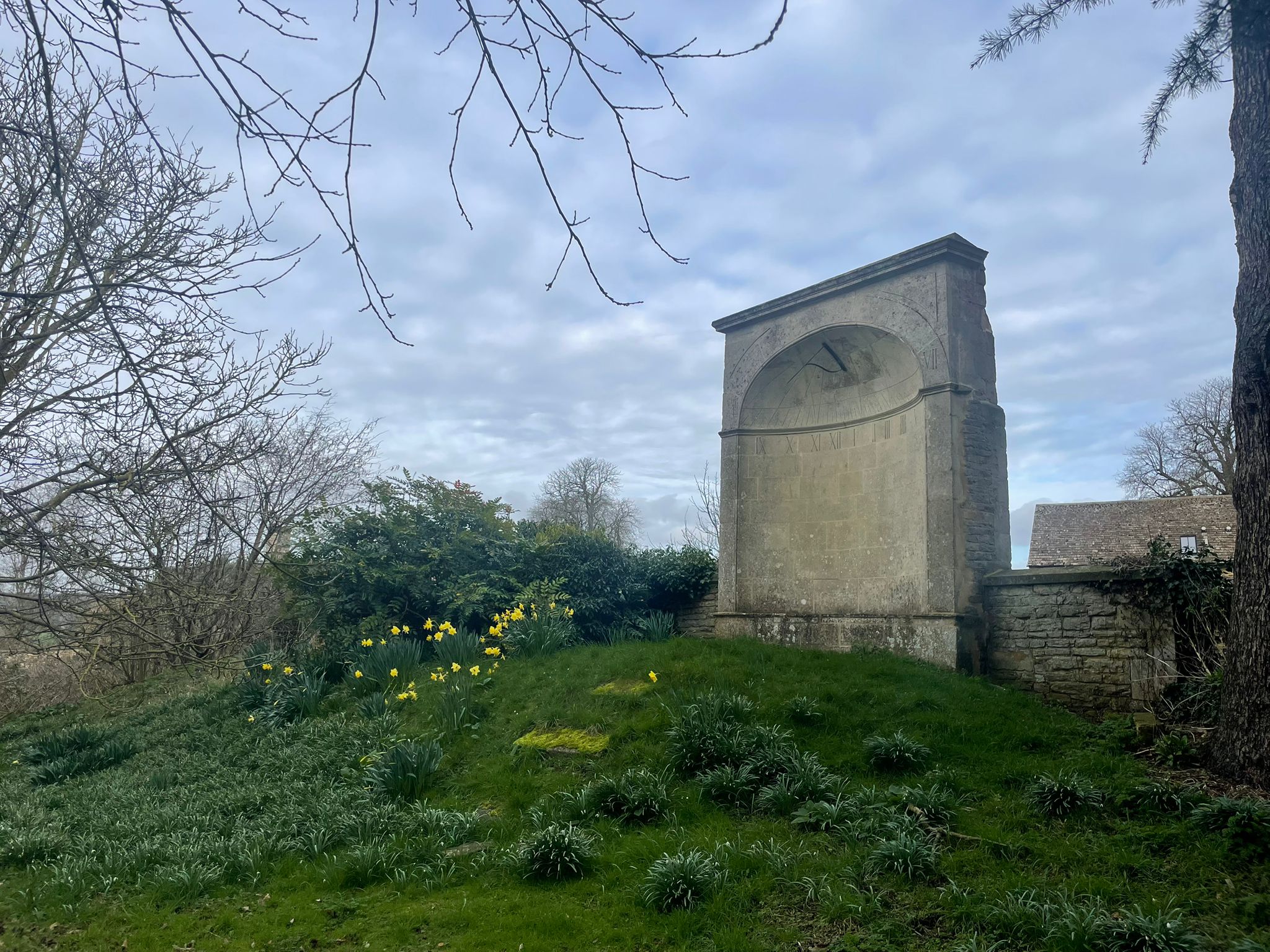
Sandra: Definitely. The Palace Gardens and St Andrew’s Church. Both have strong connections to royalty and are beautiful places to explore.
Evie: What do visitors talk about most after spending time with you?
Sandra: They’re often amazed by the extent of Collyweston’s royal connections, and by the traditional process of mining Collyweston Slate. It’s a craft with a long and fascinating history.
Evie: Could you tell us a bit more about Collyweston Slate?
Sandra: Of course! Collyweston is best known for its limestone slates. You can see them across the village, in Easton on the Hill, Stamford, and many other local towns. They also appear on the roofs of King’s, St John’s and Christ’s Colleges in Cambridge, buildings in Oxford, the Guildhall in London — and even on an English country house built on Long Island, USA!
Evie: How amazing to think there's a bit of Collyweston in the USA! Is there anything else you'd like to share for English Tourism Week?
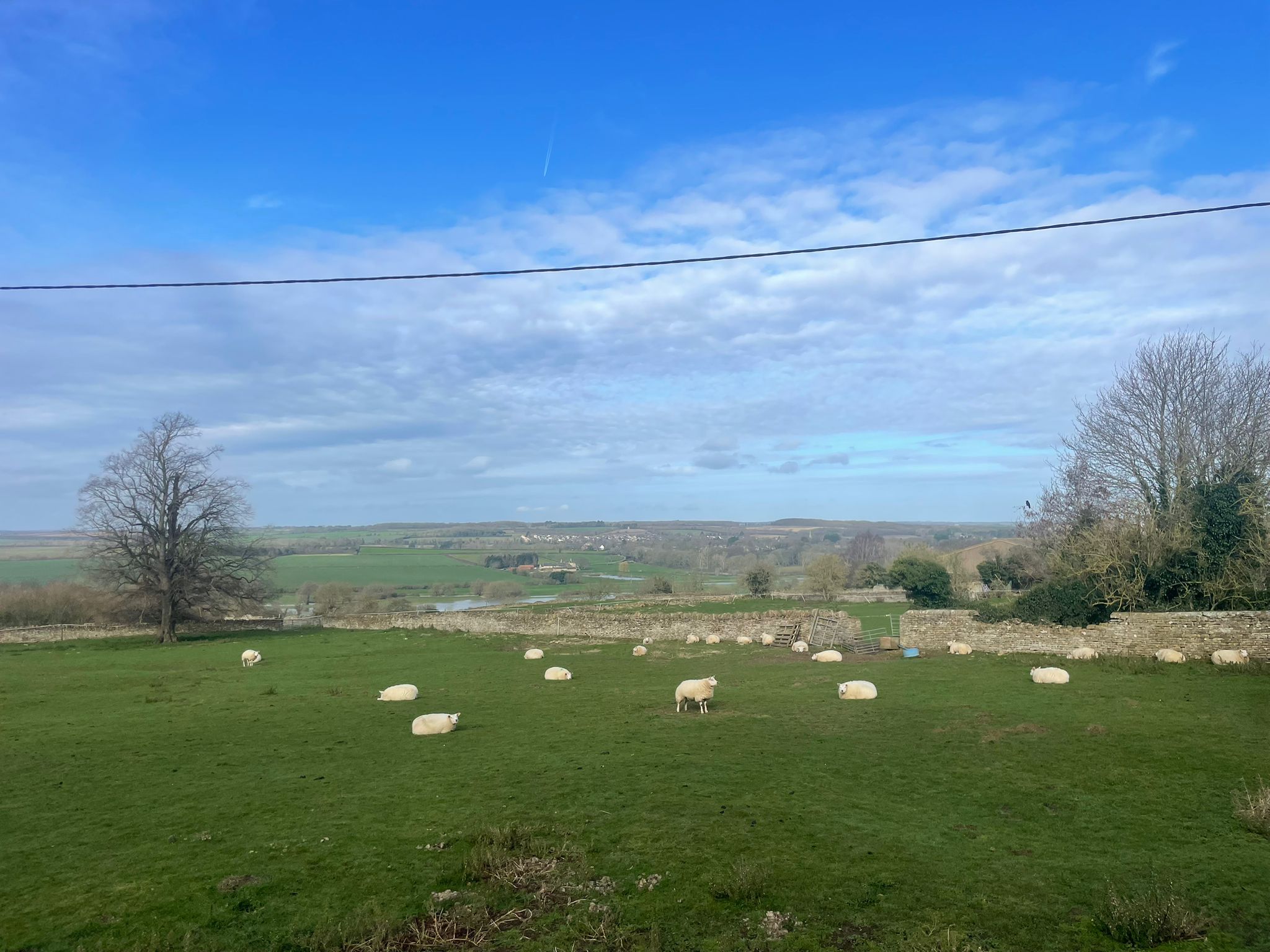
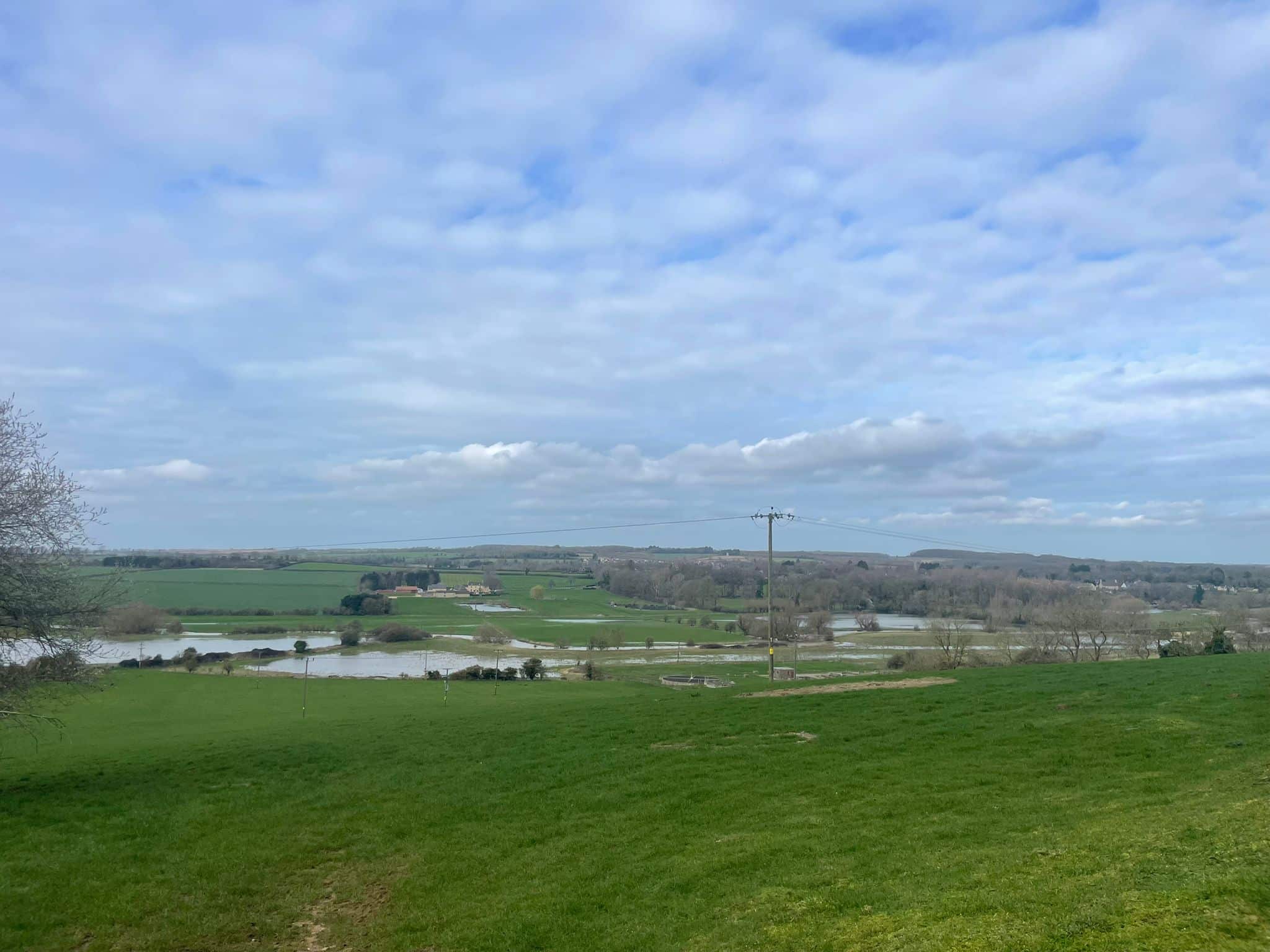
Sandra: Just that we offer walking village tours for individuals or groups of up to 10 people. They last around two hours, and our tour guide has family connections to the village dating back to the 1500s — possibly earlier — along with extensive knowledge of Collyweston’s history. It’s a wonderful way to explore the village and its stories.
Evie: I certainly recommend the walking tour - it was fantastic, thank you so much for showing me around.
We would love to see any photos you take during a visit to Collyweston! Tag us on social media and use #DiscoverNorthamptonshire – we may even repost your photo! Or, upload them here.


